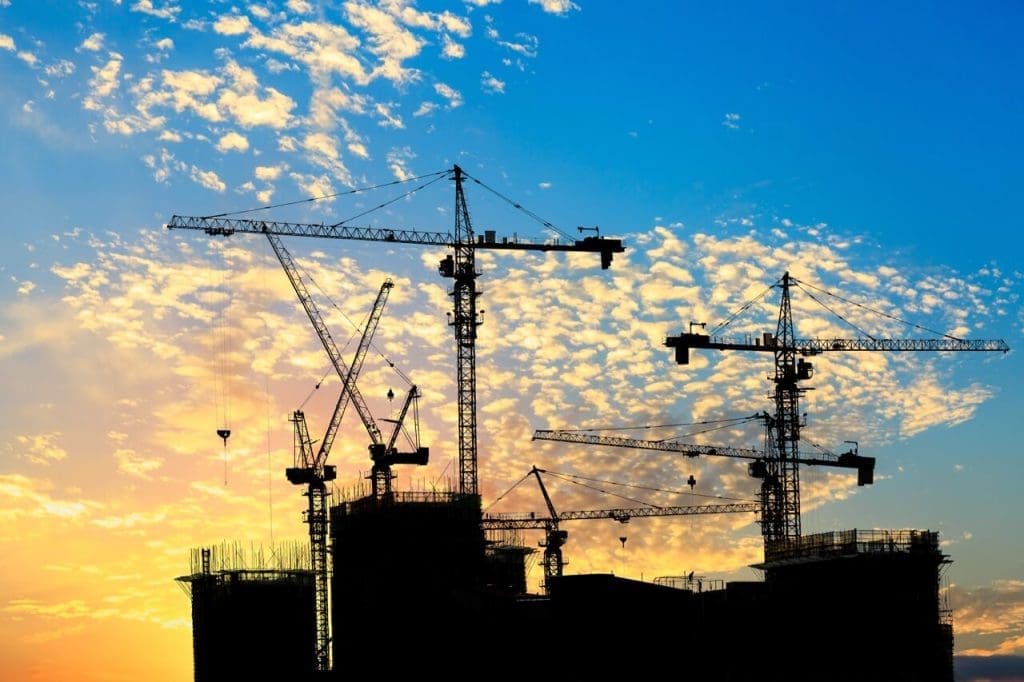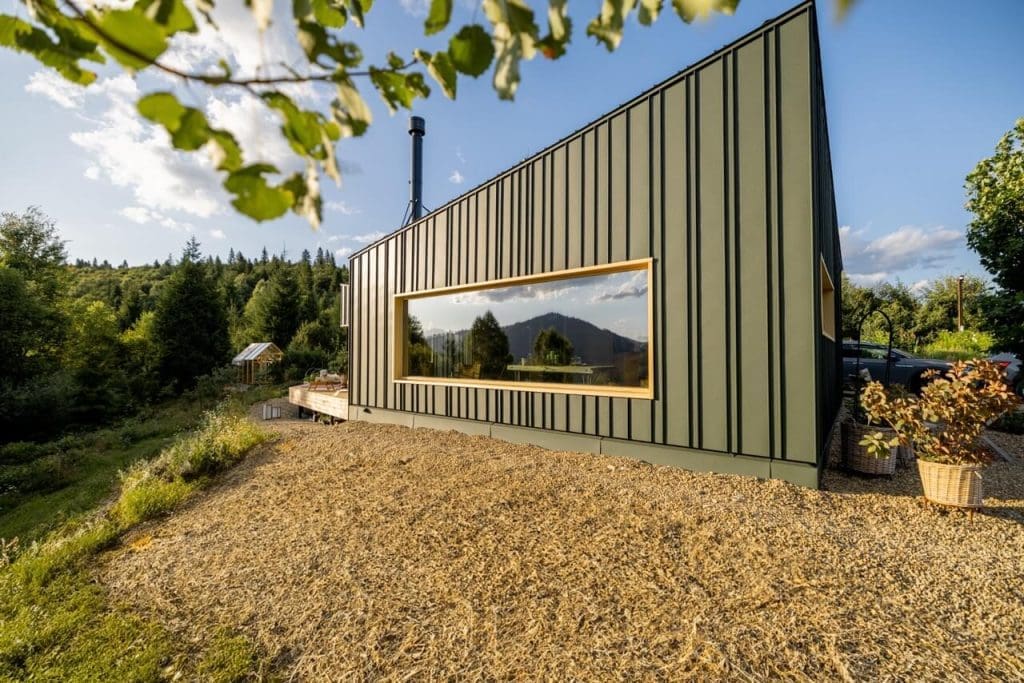
In recent years, the UK has found itself grappling with a significant housing crisis that shows no signs of abating. With demand for affordable housing far exceeding supply, the need for innovative solutions has never been more pressing. Enter modular construction, a method that is rapidly gaining traction as a viable option for addressing these issues. But what is modular construction? In simple terms, it involves the use of prefabricated building components that are manufactured off-site and then assembled on location. This process not only speeds up construction times but also offers a more cost-effective solution to the housing shortage.
The rise of modular buildings is showcasing a transformative approach to the construction landscape in the UK. Governments, developers, and architectural technologists alike have begun to recognise the substantial benefits modular construction can provide, aligning with sustainable practices and modern needs. This blog post will explore how modular construction is not just a trend, but a critical part of the solution to the ongoing housing shortages across the country, examining its speed, cost-effectiveness, sustainability, bespoke designs by firms like Alston + Donnelly, and the way it encourages innovative architectural developments.
One of the most compelling advantages of modular construction is its speed of assembly. Unlike traditional building methods that can take months or even years to complete, modular buildings can often be put together in a matter of weeks. This rapid construction time is achieved through the parallel processes of fabrication and site preparation. While the modular units are being constructed in the factory, site work such as foundation preparation can occur simultaneously, significantly reducing the overall project timeline.
Furthermore, the efficiency of assembling modular components contributes to minimising disruptions often associated with construction projects in urban areas. Since much of the construction is performed off-site in controlled environments, there is less noise and pollution on site, making modular construction particularly appealing in densely populated regions like London. This potential for quicker delivery of housing not only addresses the immediate needs for accommodation but also allows for sensitive handling of urban environments, providing a dual benefit of housing provision and community preservation.
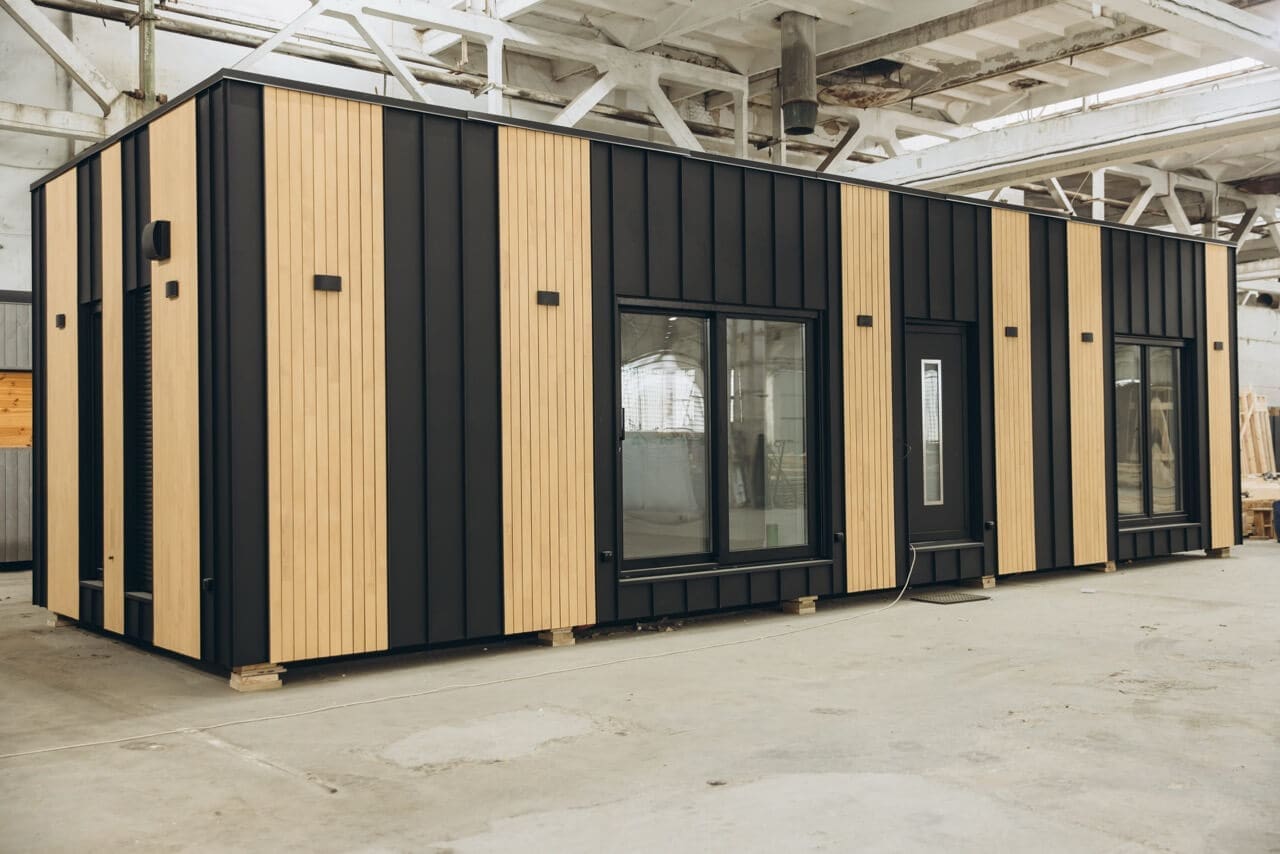
In an era where budget constraints remain a reality for many developers and local councils, the cost-effectiveness of modular construction cannot be understated. With streamlined processes and reduced labour requirements, the costs associated with traditional building methods can be significantly lowered. The off-site manufacturing of components leads to fewer errors and waste, which in turn contributes to further savings. As these savings accumulate, modular buildings present an attractive option for developers keen to manage costs while also making a meaningful contribution to tackling the housing crisis.
Moreover, by providing a quick return on investment through expedited construction and reduced site management costs, modular buildings become an increasingly viable option for investors as well. This aspect is particularly important in a landscape where speed and efficiency can dramatically influence market competitiveness. Alston + Donnelly, for instance, utilises modular construction techniques to offer tailored, cost-effective solutions that cater to the specific needs of homeowners and developers in the UK, demonstrating that quality and affordability can coexist.
As the world becomes increasingly aware of the environmental impact of construction, the sustainable practices inherent in modular construction are amongst its most appealing features. This method often employs eco-friendly materials, and with controlled manufacturing processes, there is minimal waste generated compared to traditional building practices. Many modular homes can be designed to meet the Passivhaus Standard, which focuses on maximising energy efficiency and sustainability in buildings.
The ability to incorporate sustainable technologies into modular designs is not only a benefit to the environment but also appeals to a growing demographic of eco-conscious buyers. With energy-efficient features such as high-quality insulation, the integration of renewable energy systems, and better air quality management, modular homes can significantly reduce the carbon footprint of living spaces. Alston + Donnelly is committed to ensuring that all their projects, including modular designs, embrace sustainable practices, making them a leader in the promotion of eco-friendly housing solutions.
Alston + Donnelly stand out in the modular construction arena by offering bespoke solutions tailored specifically to the needs and desires of each client. Unlike traditional mass-produced approaches, our methodology focuses on collaboration with clients to create designs that reflect individual requirements while taking advantage of modular construction benefits. This means homeowners can expect personalised designs that do not compromise on quality or aesthetics.
Through careful consultation and a clear understanding of client’s aspirations, Alston + Donnelly work to integrate functionality and creativity into their modular projects. This client-focused approach not only enhances customer satisfaction but also supports the production of uniquely designed homes that resonate with their owners. Each modular component can be adapted to align with personal styles or those specific to the local landscape, ensuring that new homes blend beautifully into their environments, setting a new standard for modular architecture in the UK.
The flexibility of modular construction serves as a springboard for innovative architectural developments, enabling architectural technologists to push boundaries and explore new design possibilities. This adaptability allows for creative expressions that may not be feasible with traditional construction methods. The possibility to experiment with forms, materials, and spatial arrangements leads to unique buildings that redefine housing standards in the UK.
Architectural practices and planners can utilise modular design elements to create multifunctional spaces that cater to the changing needs of communities. For example, modular construction can easily accommodate adaptable housing designs, which can transform existing buildings into new functions as needed. As the needs of urban populations evolve, the innovative capabilities of modular construction will ensure that architectural firms are well-equipped to address these challenges thoughtfully and effectively. Alston + Donnelly’s approach to innovative modular designs reflects this potential, showcasing how a balance of creativity and functionality can lead to ground-breaking architectural solutions.
As the UK continues to tackle an acute housing crisis, modular construction emerges as a powerful solution capable of delivering homes more swiftly and sustainably than ever before. With distinct advantages in assembly speed, cost reductions, and environmental consciousness, modular construction is not merely a temporary fix but a forward-thinking strategy for the future of housing. The expertise of firms like Alston + Donnelly in delivering bespoke modular designs further enhances this method’s appeal, ensuring that quality is not sacrificed while addressing urgent demands.
For homeowners, developers, and businesses alike, embracing modular construction offers an opportunity to influence the future of housing positively. As we continue to innovate in design and production, it is vital to explore the potential of modular solutions to create livable, sustainable spaces for all. If you’re interested in learning more about how modular construction can transform your project, reach out to Alston + Donnelly today.