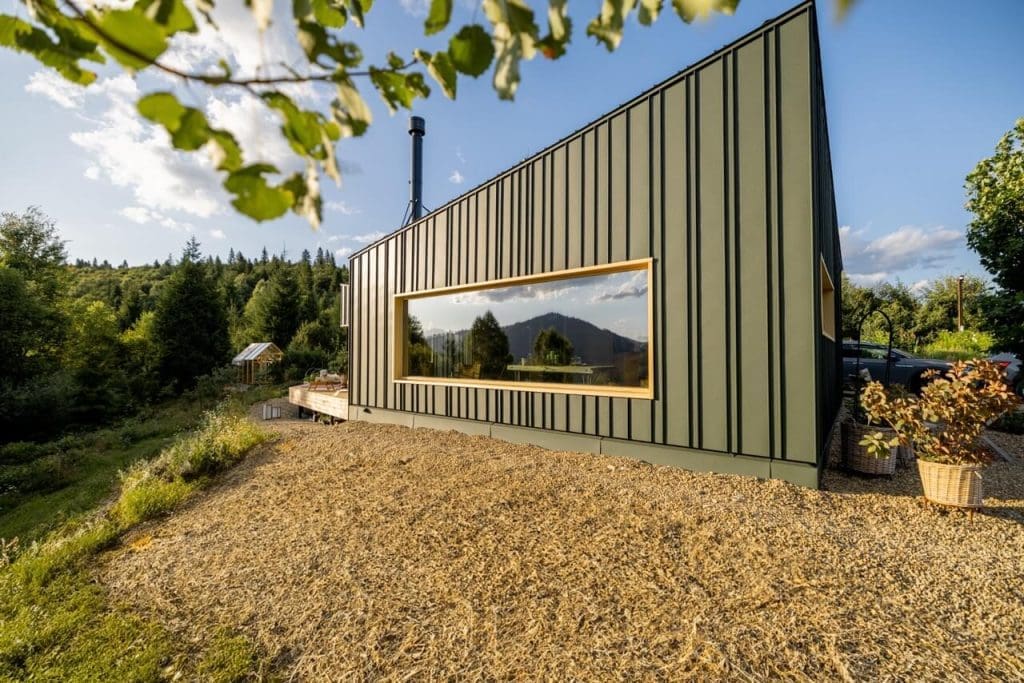
The consequences of climate change have brought a pressing need for innovative solutions in our built environment, making sustainable architecture not just a trend, but a necessity. As homeowners and businesses alike increasingly seek to reduce their carbon footprint, the design and construction of buildings play a crucial role in this endeavour. Sustainable architecture encompasses a diverse range of practices and philosophies that prioritise environmental responsibility, resource efficiency, and the well-being of occupants. In this blog post, we will explore the principles of sustainable design, specifically focusing on the Passivhaus Standard and the use of eco-friendly materials.
Sustainable architecture is primarily concerned with addressing the urgent issues of resource depletion and climate change whilst promoting a high quality of life for inhabitants. By integrating ecological and renewable practices into the design process, Chartered Architectural Technologists can create spaces that are not only environmentally conscious but also economically viable. Homeowners and businesses that embrace sustainable design practices can benefit from reduced energy costs, enhanced indoor air quality, and greater overall comfort. This commitment to sustainability not only helps save on expenses but also enhances the market value of properties in a world that is becoming increasingly conscious of environmental impact.
The Passivhaus Standard is arguably one of the most significant advancements in sustainable architecture, setting benchmarks for energy efficiency in buildings. How does Passivhaus design work? At its core, the Passivhaus approach focuses on creating buildings that require minimal energy for heating and cooling by utilising high levels of insulation, airtight construction, and energy-efficient windows. This method aims to establish a comfortable indoor climate rather than solely relying on conventional heating or cooling systems, resulting in remarkable reductions in energy consumption.
One of the primary benefits of adopting the Passivhaus Standard is the dramatically lower energy bills experienced by homeowners. By minimising the reliance on fossil fuels, homes designed under this standard can achieve energy savings of up to 80% when compared to traditional building practices. Furthermore, these structures maintain a consistent temperature year-round, resulting in enhanced comfort for inhabitants and reduced reliance on auxiliary heating or cooling systems. As a result, not only do residents enjoy a lower ecological footprint, but they also experience improved indoor air quality due to the effective ventilation systems incorporated into the design.
In addition to the financial advantages, the Passivhaus Standard serves as an industry benchmark, demonstrating a commitment to sustainability that can elevate the reputation of architecture practices. By actively integrating this approach into projects, practices can be at the forefront of innovative design, reinforcing their dedication to environmentally responsible building practices. Furthermore, the increased demand for sustainable homes means that properties constructed under the Passivhaus Standard tend to appreciate in value, offering long-term investment benefits for homeowners.
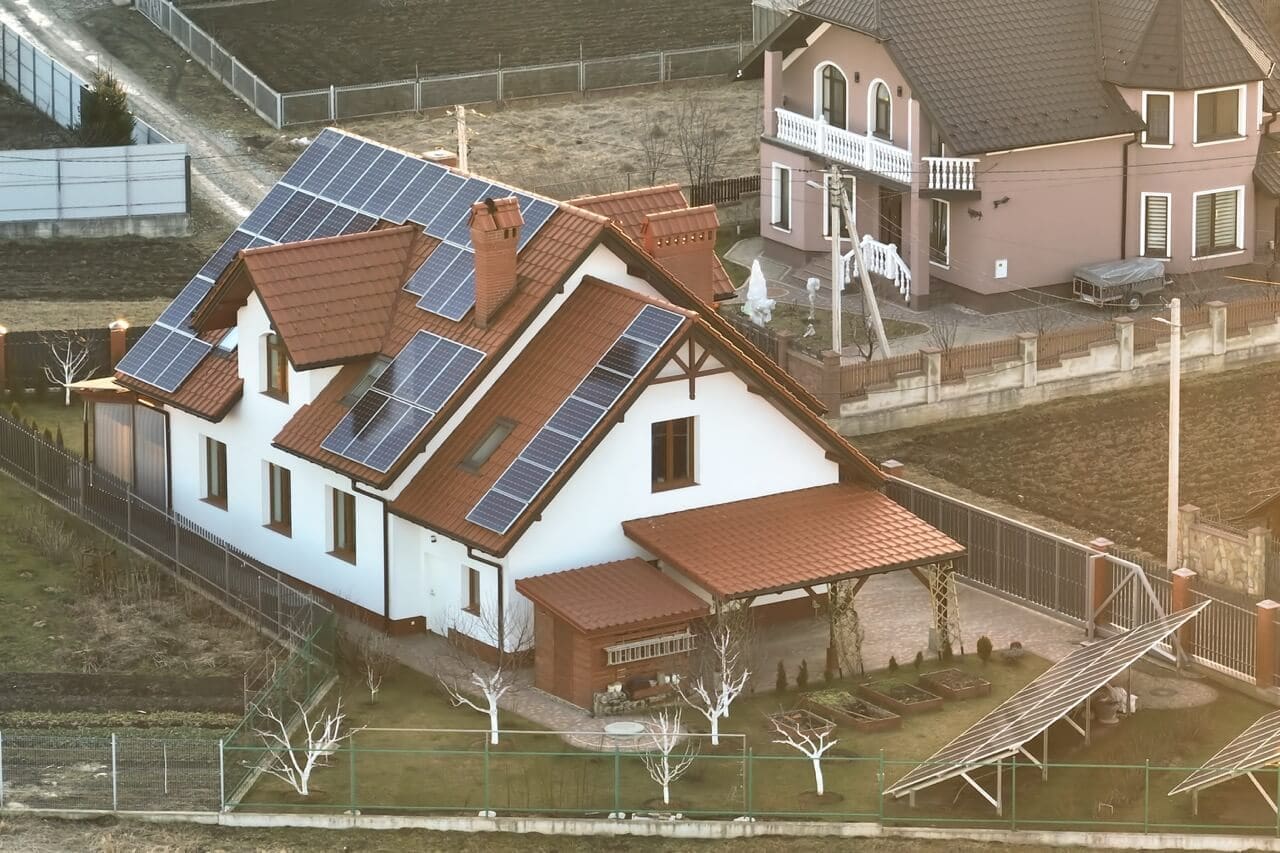
Sustainable architecture is not just about energy efficiency; it also embraces the use of eco-friendly materials that minimise environmental impact throughout a building’s lifecycle. These materials can range from renewable resources, such as bamboo or recycled timber, to innovative options like hempcrete and rammed earth. The choice of materials plays a pivotal role in achieving sustainability, fundamentally influencing construction processes, building durability, and the overall ecological footprint.
By utilising eco-friendly materials, architecture practices can significantly reduce a building’s carbon emissions and harmful impact on the environment. For instance, products that are sourced locally help to minimise transportation emissions, while organic materials contribute to healthier indoor air quality. Additionally, many eco-friendly materials; like the JUWO monolithic clay block system, possess natural insulating properties. This enhances a building’s thermal performance and further complementing sustainable design principles. Homeowners, when selecting materials for new construction or renovation, should consider not only the aesthetic value but also the long-term sustainability profile of their choices.
Furthermore, the incorporation of recycled and biodegradable materials in construction is gaining popularity within the industry. For example, using reclaimed wood for structural elements or finishes can give new life to materials that would otherwise contribute to landfill waste. Such practices not only help conserve natural resources but also create unique, characterful spaces that reflect environmental consciousness. By partnering with firms like Alston + Donnelly, clients can ensure their projects both look stunning and align with sustainability goals, resulting in spaces that fulfil their clients’ needs while protecting our planet.
As we look to the future, the field of sustainable architecture continues to evolve, driven by technological advancements and a greater awareness of environmental issues. One of the most significant trends is the rise of smart buildings, which integrate technology to enhance energy efficiency and occupant comfort. These buildings utilise sensors and automated systems to monitor and optimise energy consumption, thereby significantly reducing waste. By harnessing technologies such as artificial intelligence and the Internet of Things, architects can create responsive environments that adapt to the needs of their inhabitants while minimising energy expenditure.
In addition, regenerative design is gaining traction, focusing on creating buildings that have a positive impact on the environment. Rather than merely reducing harm, regenerative architecture aims to restore ecosystems and promote biodiversity. This trend reflects a shift in perspective, with architects considering not only the built environment but also its interaction with natural systems. Incorporating green roofs, rainwater harvesting, and vertical gardens are just a few examples of how this philosophy can manifest in practice, contributing to the restoration and improvement of the natural landscape.
Another emerging trend within sustainable architecture is the strategic use of biophilic design principles. This approach elevates the connection between nature and the built environment, enhancing the well-being of inhabitants through the inclusion of natural elements. By integrating natural light, organic materials, and outdoor spaces into their designs, architects can create healthier living and working environments. As awareness of mental health and wellness continues to grow, biophilic design provides a powerful tool for architects to foster connections with the natural world, further enriching the sustainability narrative.
Sustainable architecture is one of the primary concerns of modern design, addressing pressing environmental challenges while offering tangible benefits for homeowners and businesses alike. By adopting innovative practices like the Passivhaus Standard and embracing eco-friendly materials, architects can create spaces that are not only functional and aesthetically pleasing but also environmentally responsible. The impressive case studies and emerging trends outlined in this blog post highlight the potential that exists within sustainable architecture to shape a better future for our built environment.
As we move forward into a world increasingly focused on sustainability, let us embrace the principles of eco-conscious design in our projects. Whether you are a homeowner planning a new build, a business in need of specialised facilities, or a developer exploring sustainable opportunities, consider partnering with an architecture practice that shares a commitment to these transformative methods. At Alston + Donnelly, we are dedicated to delivering bespoke, sustainable design solutions that elevate your project while prioritising our planet’s future.